
Fratello Sole Foundation
Fratello Sole Foundation
Towards a Sustainable Transition
The Fratello Sole Foundation at the Service of the Common Good
The Foundation represents a sign of hope for the future and an example of how energy production and agriculture can be reconciled while respecting and protecting the environment, in accordance with the principles of environmental sustainability and care for our Common Home set forth in the Encyclical Laudato Si’, the Apostolic Exhortation Laudate Deum, the Motu Proprio Fratello Sole and, more generally, in the Church’s social Magisterium.
A Concrete Commitment to Future Generations
The Foundation will oversee, directly or indirectly, the production, distribution, sale, supply and monitoring of electricity for the energy needs of Vatican City State, the properties referred to in Articles 14, 15 and 16 of the Treaty of 11 February 1929, as well as, in any event, the Entities and Institutions connected with the Holy See or included in the Holy See’s consolidated financial statements.
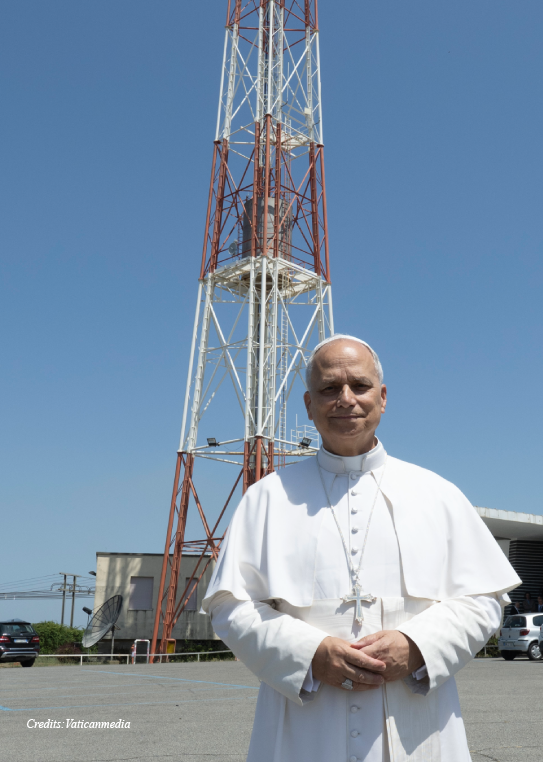
Established by Pope Leo XIV
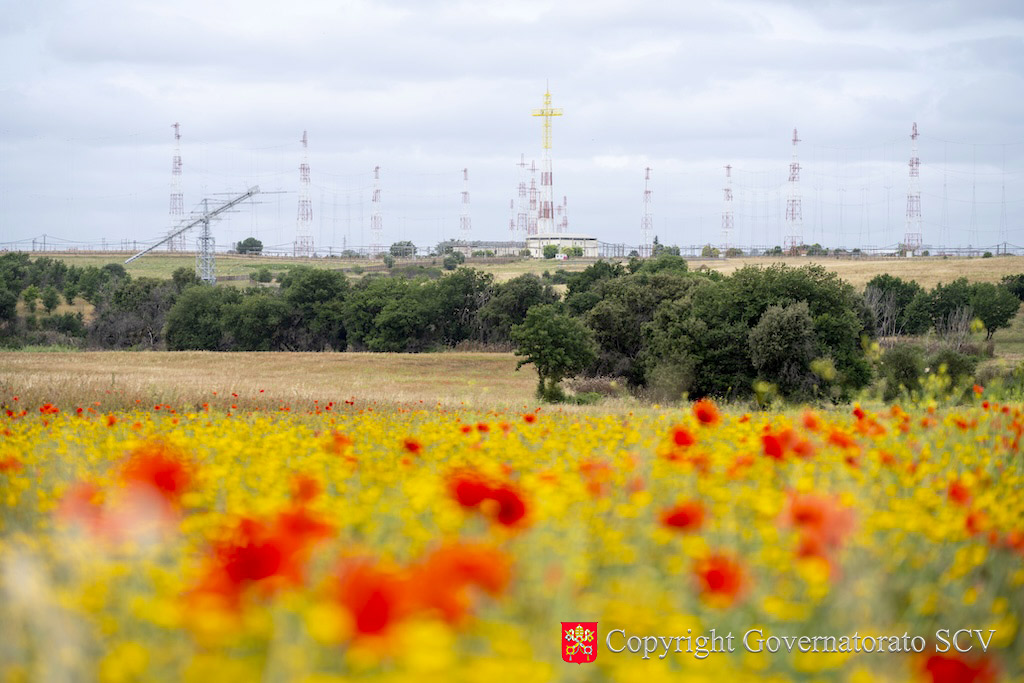
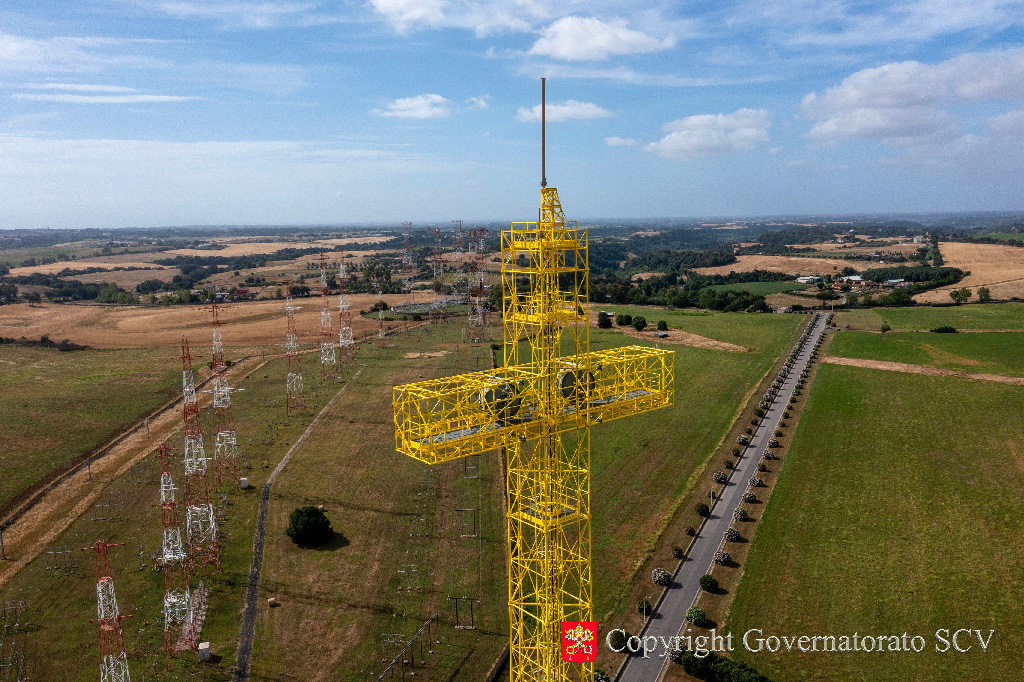
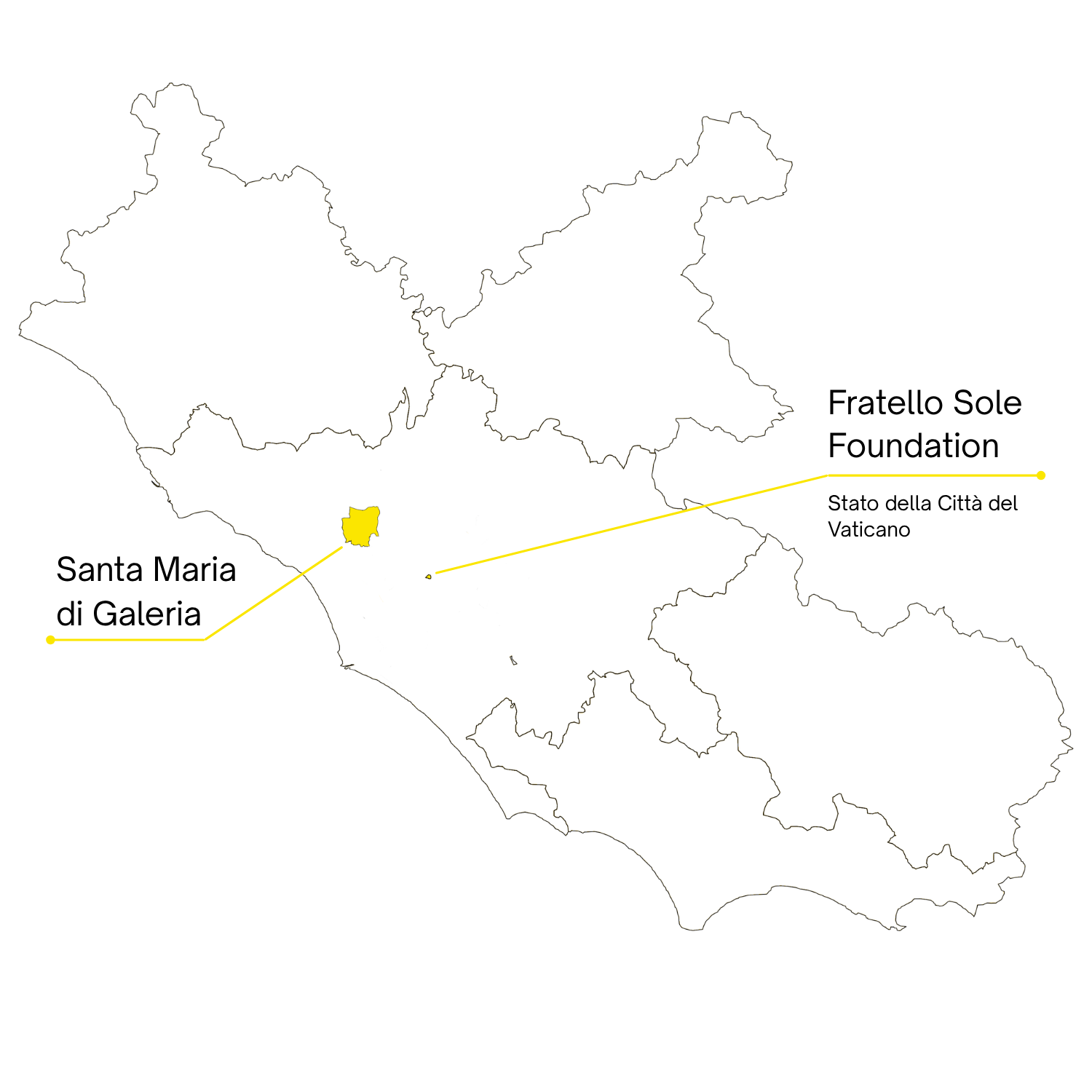
Pope Leo XIV established the Fratello Sole Foundation by Chirograph dated 1 June 2026, for the construction and management, including the financial management, of the agrivoltaic plant at Santa Maria di Galeria.
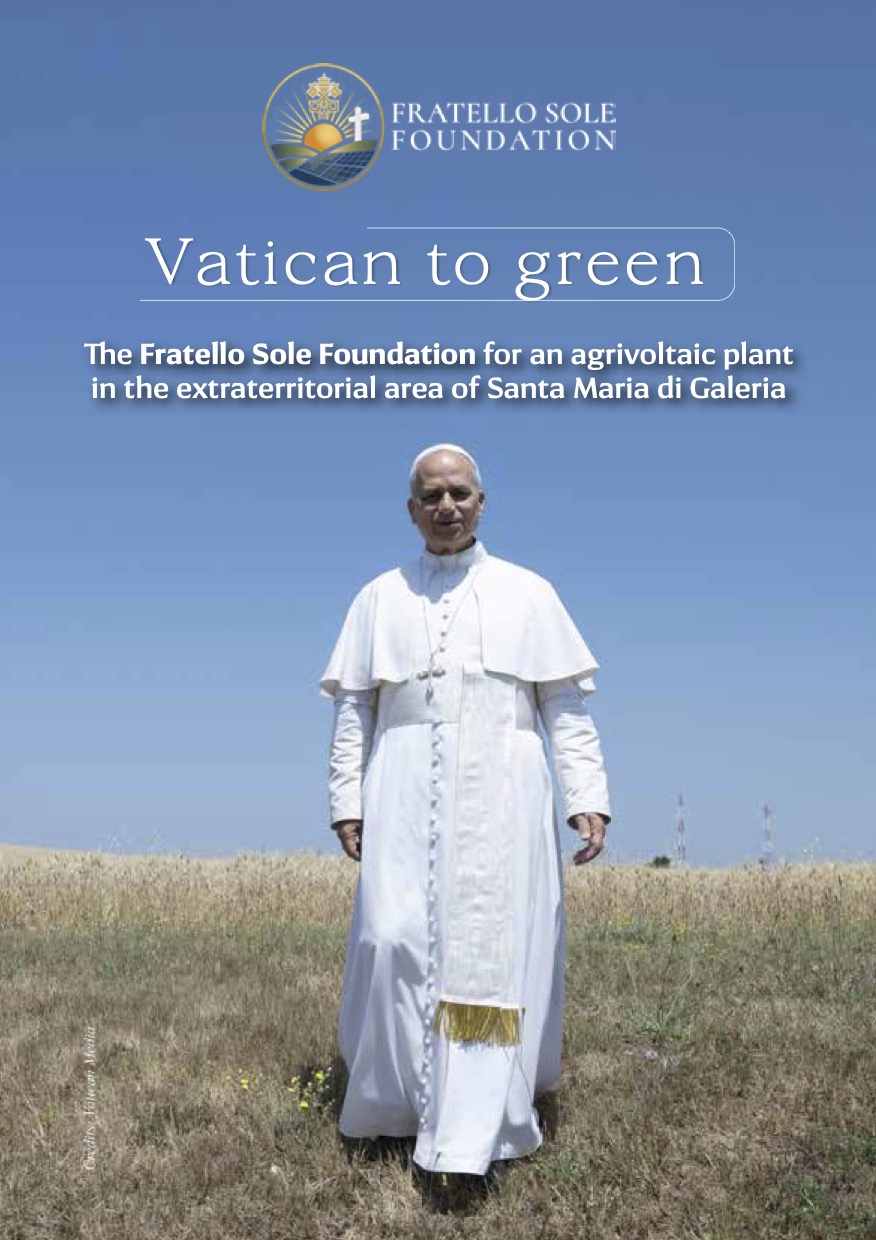
Vatican to Green
A project born from a commitment to sustainability, the protection of the territory and the transition towards a more responsible energy model. Discover in the brochure the Fratello Sole project

The Agrivoltaic System
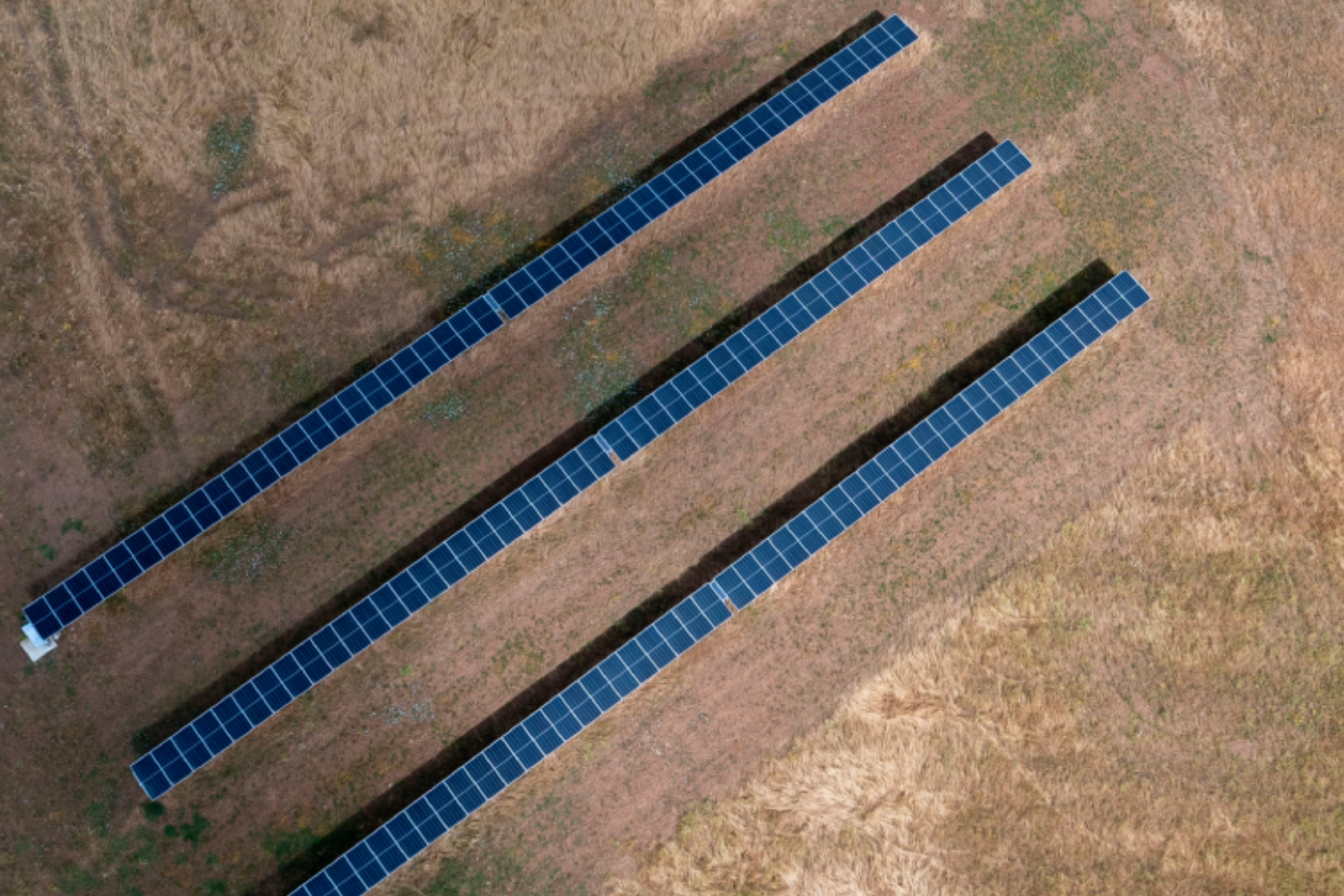
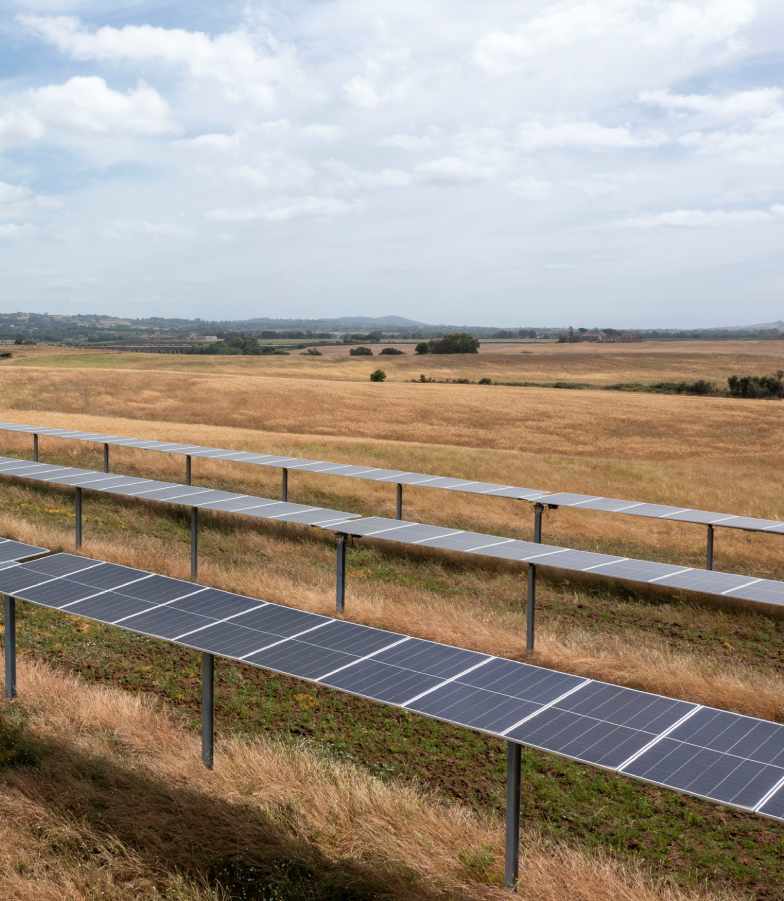
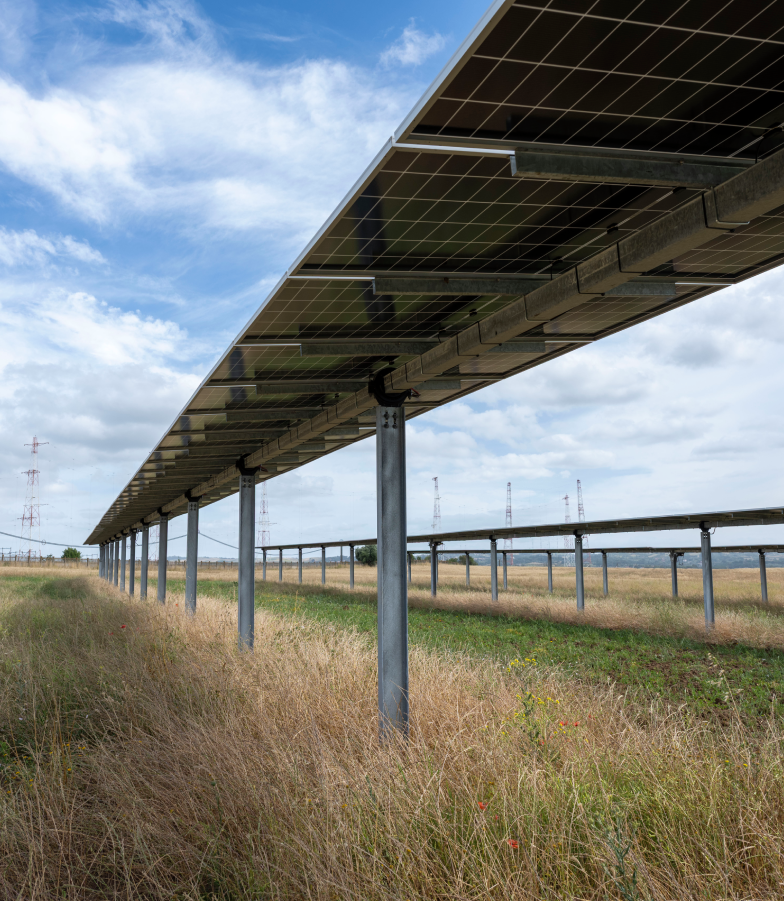
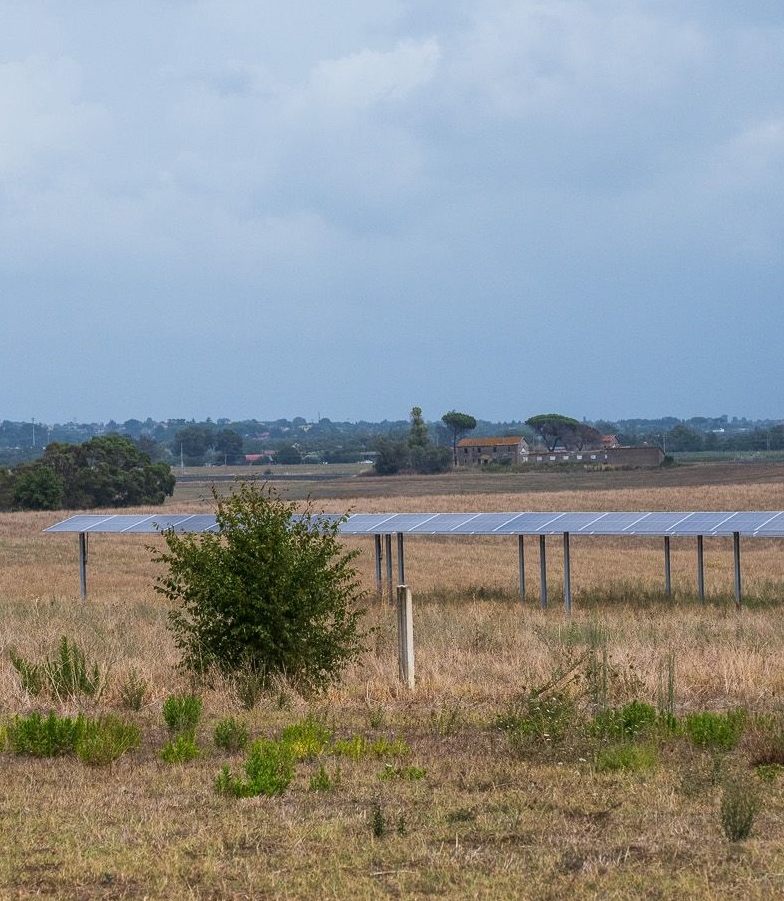
Among the solutions offered by today’s technology, one of the most promising is agrivoltaics: a system that makes it possible to generate renewable energy using solar panels installed on agricultural land without giving up its cultivation. This approach makes it possible to combine agricultural and energy production in a sustainable manner.
News