
Agrivoltaics
What is an Agrivoltaic System?
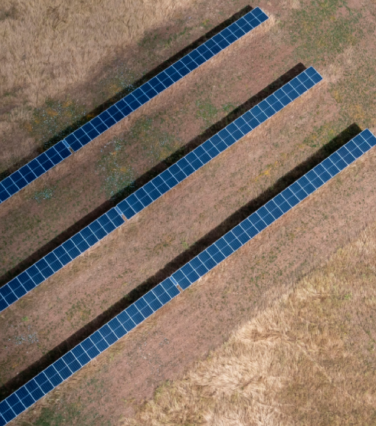
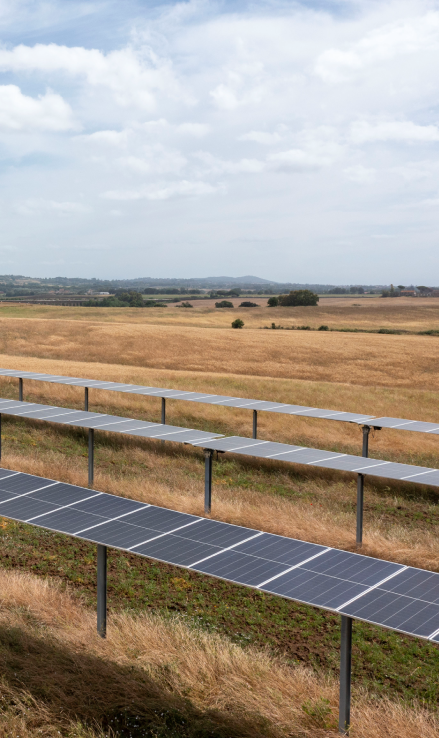
An agrivoltaic system is a photovoltaic installation that harnesses solar energy to generate electricity while allowing the land on which it is installed to continue to be used for agricultural activities.
Indeed, agrivoltaics supports agriculture because it does not take land away from crops. Instead, it provides additional resources and offers the opportunity to use new technologies that are more environmentally and climate friendly.
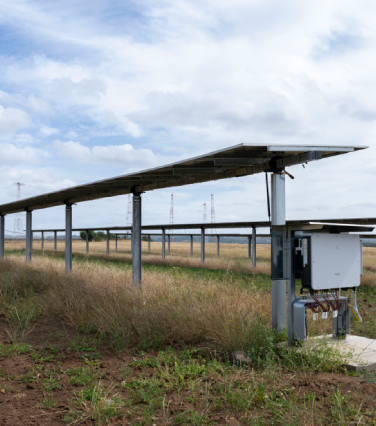
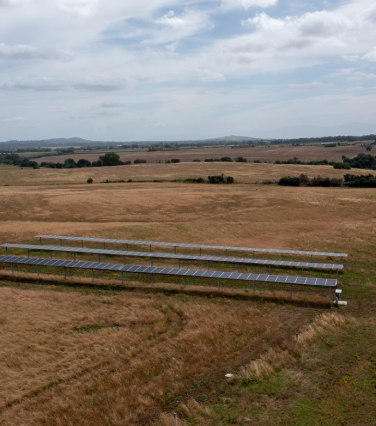
Agrivoltaics combines agriculture with photovoltaic energy production—a stable and well-established technology—in a profitable and sustainable way. This enables more efficient land use and greater agricultural productivity, providing multiple benefits for both farmers and the environment.
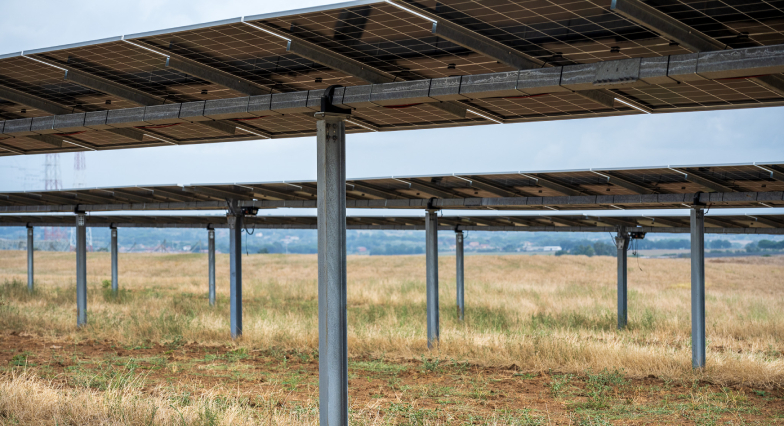
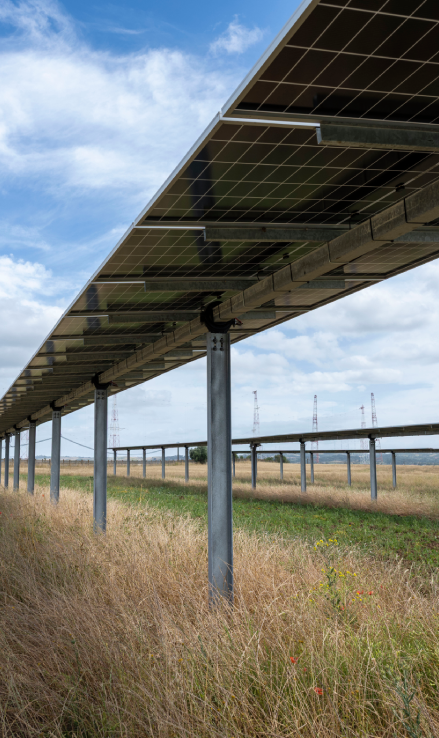
The Santa Maria di Galeria agrivoltaic system is a simple agrivoltaic installation using a single-axis solar tracking system (East–West tracker).
Benefits
One of the advantages of these systems is their ability to contribute to environmental protection and climate change mitigation. The main benefits include:
• Reduced carbon footprint: The use of solar energy reduces dependence on fossil fuels, helping to lower greenhouse gas emissions.
• Soil conservation: The solar panels, positioned 2.5 meters above the ground, provide shade, helping to reduce soil erosion and nutrient loss. This helps maintain soil fertility and moisture, increasing agricultural production and providing protection from direct sunlight during the summer.
• Water conservation: The presence of solar panels reduces the evaporation of water from the soil. The system can also be integrated with sprinkler irrigation, drip irrigation, or subsurface irrigation systems.
• Reduced insurance costs: Solar panels provide protection against adverse weather conditions, safeguarding the crops beneath them and, in some cases, reducing insurance costs.
• Strategic and social value: Generating electricity from solar energy reduces dependence on imported gas and oil and promotes energy self-sufficiency.
Agricultural Crops
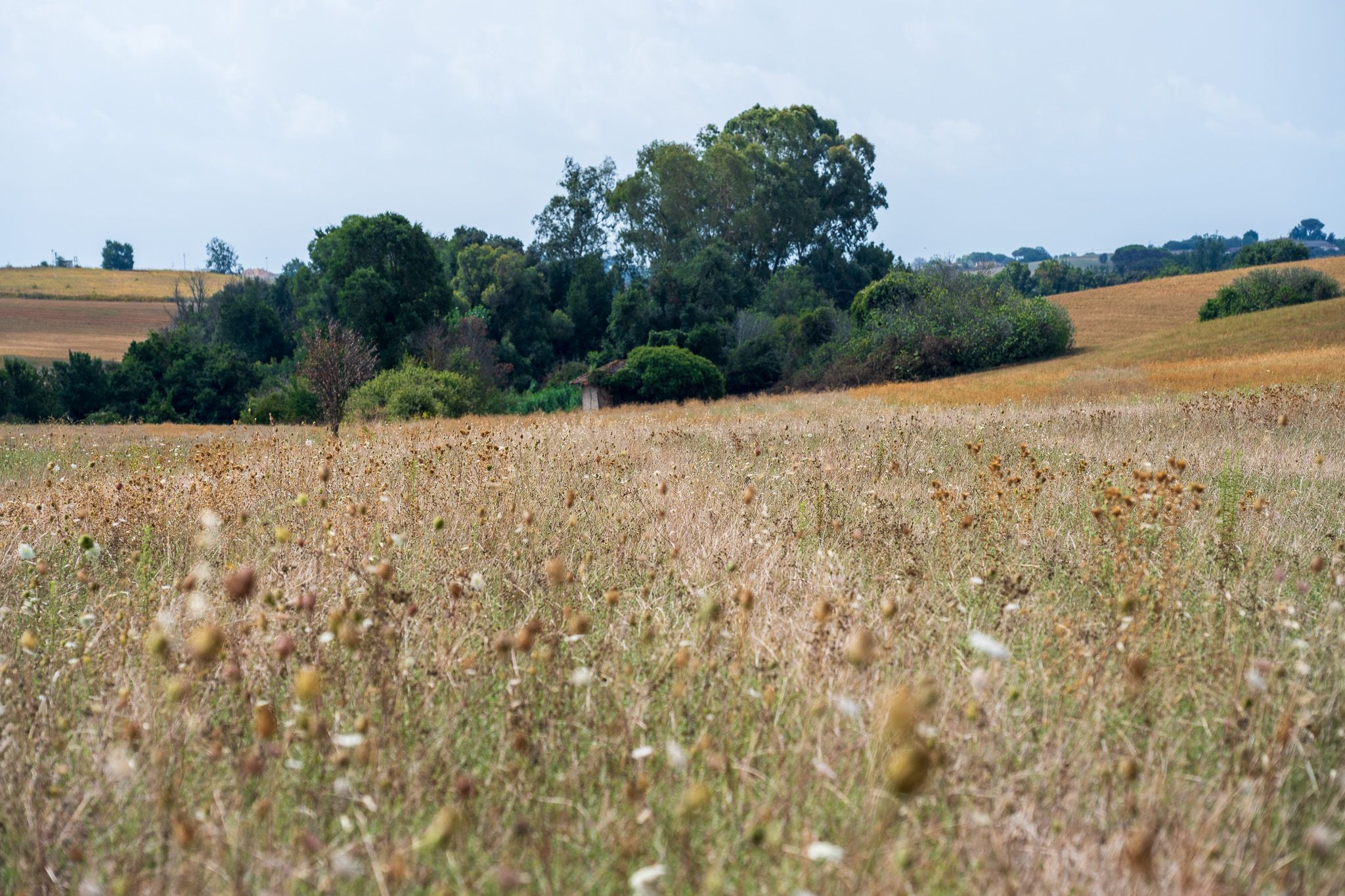
This system will ensure the continuation of “conventional” farming on a total area of 370 hectares for:
the production of seeds for propagation, including Senatore Cappelli durum wheat, clover, malting barley and oats;
the production of fava beans for livestock feed, facilitated by the shade provided by the panels.
The agrivoltaic project forms part of the Holy See’s broader commitment to sustainability and draws inspiration from the principles set forth in the Papal Encyclical Laudato si',, the Apostolic Exhortation Laudate Deum and the Motu Proprio Fratello Sole.
Renewable energy, environmental protection, and the responsible use and enhancement of the land thus become the means of promoting balanced development capable of combining technological progress, social responsibility, and care for Creation.